

December 19, 2025
article by the prompt team
Managing a small business in Ghana involves numerous responsibilities, with one of the most critical being tax payment. While tax filing may initially appear daunting, grasping the fundamentals can empower business owners to remain compliant, avoid penalties, and confidently expand their enterprises. This guide outlines how small businesses in Ghana file their taxes, the various types of taxes applicable, and practical strategies to simplify the process.

Registering Your Business and Getting a TIN
Before a small business can submit its tax filings in Ghana, it must undergo proper registration. For Ghanaian citizens holding a Ghana Card, this process is relatively straightforward; however, it often encounters numerous administrative challenges. Much of the registration is conducted manually on paper before being transferred into a digital system, either with the assistance of administrative staff or through the so-called “guru boys.”
A reliable method to identify administrative personnel is by inquiring with the security guards stationed at the Registrar General’s office in central Accra. Once the registration is complete, there is typically a significant waiting period before the business can be vetted and approved. Once this is approved a TIN (Tax identification number) is generated and a business certificate issued. A TIN is mandatory for all tax-related activities, including filing returns, paying taxes, and opening business bank accounts.
Key steps include:
-
Registering the business with the Registrar General’s Department (RGD)
-
Obtaining a Tax Identification Number (TIN) from the Ghana Revenue Authority (GRA)
Types of Taxes Small Businesses Pay in Ghana
Small businesses in Ghana are required to pay different types of taxes depending on their size, turnover, structure, and activities. Some businesses pay only one or two taxes, while others—especially growing or formal businesses—may pay several. Below is a clear breakdown of the main taxes small businesses pay in Ghana, as administered by the Ghana Revenue Authority (GRA).
Income Tax
This tax is levied on the profits generated by businesses. Sole proprietors and partnerships are subject to personal income tax, whereas corporations pay corporate income tax. For very small businesses, the GRA might impose a presumptive tax, which is a fixed amount determined by the type of business instead of detailed profit assessments.
Pay As You Earn (PAYE)
PAYE is a key part of Ghana’s tax system and a major responsibility for any employer. Whether you run a small shop with one worker or a growing startup with a full team, understanding and managing PAYE correctly is essential. It is used in Ghana to collect personal income tax from employees. Under this system, an employer deducts income tax from an employee’s salary every month and pays it directly to the Ghana Revenue Authority (GRA) on the employee’s behalf. PAYE applies to all forms of employment income, whether the employer is a small business, SME, or large company.
If a business employs staff, it is required to deduct PAYE from their salaries and submit the withheld tax to the GRA on a monthly basis.
Value Added Tax (VAT)
Value Added Tax (VAT) is a consumption tax charged on the supply of taxable goods and services in Ghana. It is collected at each stage of production or distribution but ultimately borne by the final consumer. VAT is administered by the Ghana Revenue Authority (GRA) under the VAT Act. Businesses that supply taxable goods or services and exceed the VAT registration threshold must register for VAT, charge VAT on sales and File VAT returns, usually monthly.
Some small businesses may qualify for the VAT Flat Rate Scheme, which simplifies VAT calculations.
Withholding Tax
In Ghana, the withholding tax system mandates that individuals or businesses making specific payments must deduct tax at the source and remit it directly to the Ghana Revenue Authority (GRA) for the benefit of the recipient. Essentially, a portion of the payment is withheld as tax before the recipient receives their funds. Small businesses may need to withhold tax when making certain payments, including those for rent, professional services, and contract payments.
The amount withheld must be submitted to the GRA on behalf of the service provider.
How Small Businesses File Their Taxes
Keep Proper Records
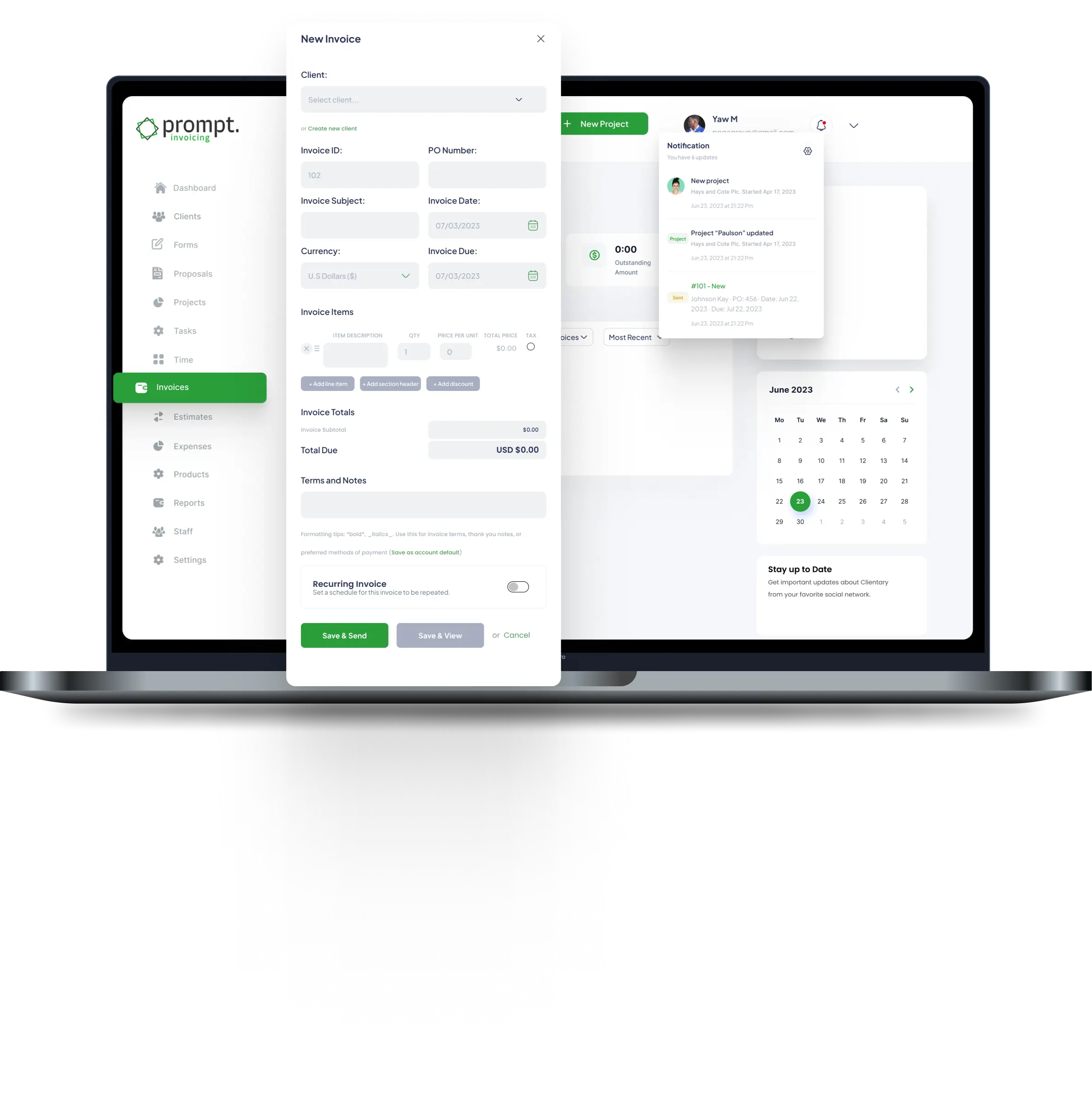
Maintaining accurate records streamlines the tax filing process. This is precisely why Prompt.integrated is dedicated to simplifying this task. Our platform offers invoicing, expense management, and payroll features to ease the burden of manual bookkeeping. Small businesses should ensure they keep sales invoices, expense receipts, bank statements and payroll records.
Good record-keeping helps determine how much tax is owed and protects the business during audits.
Prepare Tax Returns
Tax returns summarize income, expenses, and taxes due. Depending on the tax type, returns may be:
-
Monthly (e.g., VAT, PAYE, withholding tax)
-
Quarterly or annually (e.g., income tax)
File Returns with the GRA
Small businesses can submit their taxes by either visiting a GRA Domestic Tax Revenue Division (DTRD) office or utilizing GRA’s online platforms where they are accessible.
It’s crucial to be mindful of deadlines, as late submissions may incur penalties and interest.
Pay the Tax Due
Taxes can be settled through authorized banks, mobile money platforms that are approved by the GRA, or by making direct payments at GRA offices. Always remember to retain your payment receipts as proof.
Common Challenges Small Businesses Face
Small businesses in Ghana face several practical, financial, and knowledge-based challenges when filing taxes. These challenges affect both informal and formal businesses, and they are some of the key reasons for low compliance. Many small businesses struggle with lack of tax education, poor record-keeping, confusion about which taxes apply and notably fear of penalties.
These challenges often lead to non-compliance, even when business owners want to do the right thing.
Tips to Make Tax Filing Easier
-
Start small but stay consistent with record-keeping
-
Separate personal and business finances
-
File early to avoid last-minute stress
-
Seek help from an accountant or tax consultant if needed
-
Engage with the GRA for education and support programs
-
Why Tax Compliance Matters
Filing taxes is more than just a legal requirement—it comes with several advantages. Tax compliance which includes registering, submitting returns, and accurately paying taxes on time is crucial for both businesses and individuals in Ghana. Beyond fulfilling legal duties, compliance significantly contributes to economic stability, fosters business growth, and supports national development. Below are some of the reasons why this matters:
-
Avoids fines and penalties
-
Builds credibility with banks and investors
-
Contributes to national development
-
Positions the business for future growth
Conclusion
Tax filing for small businesses in Ghana does not have to be overwhelming. With proper registration, basic record-keeping, and an understanding of applicable taxes, small business owners can meet their obligations confidently. Staying compliant today creates a stronger foundation for long-term success.










Leave A Comment