

December 18, 2025
article by the prompt team
In Ghana’s fast‑evolving business environment, passion and hustle are important—but they are not enough. Whether you run a small provision shop in Kumasi, a tech startup in Accra, a fashion brand in Takoradi, or an agribusiness in Tamale, one truth cuts across all sectors: if you don’t know your numbers, your business is flying blind.
“Knowing your numbers” goes beyond having money in the account or making daily sales. It means understanding the financial heartbeat of your business—what comes in, what goes out, what stays, and what grows. In the Ghanaian context, where economic fluctuations, currency movements, and regulatory demands are real, this knowledge can be the difference between survival and collapse.
What Does “Knowing Your Numbers” Really Mean?
Knowing your numbers is about having clarity on key financial and operational metrics, such as:
- Revenue and sales trends
- Costs and expenses
- Profit margins
- Cash flow
- Debts and obligations
- Taxes and statutory payments
- Inventory levels
For many Ghanaian entrepreneurs, especially in the SME and informal sectors, business finances are often mixed with personal money. While this is common, it creates confusion and makes it difficult to measure true performance. Knowing your numbers brings structure, discipline, and confidence to decision‑making.
Why Knowing Your Numbers Matters in Ghana
To make this more practical, let’s look at how knowing (or not knowing) the numbers plays out in everyday Ghanaian SME scenarios.
1. Navigating Economic Uncertainty
Example: A provisions shop in Kumasi
Ama runs a small provisions shop at Bantama. When the prices of rice, cooking oil, and sachet water increased due to inflation and fuel price hikes, her profits started shrinking. At first, she thought sales were just slow. After reviewing her purchase costs and selling prices, she realized her margins had almost disappeared. By knowing her numbers, she adjusted prices slightly and reduced slow‑moving stock—helping her stay afloat.
Businesses that understand their cost structure can adjust pricing, renegotiate with suppliers, or cut unnecessary expenses quickly. Those who don’t often react too late.
2. Access to Funding and Investment
Example: A small printing business in Accra
Kwesi owns a printing and branding shop at Madina. He wanted a bank loan to buy a new large‑format printer. Although his business had steady customers, he was initially rejected because he had no clear records of income and expenses. After keeping proper sales and expense records for six months, he reapplied—with profit statements and cash flow summaries—and secured the loan.
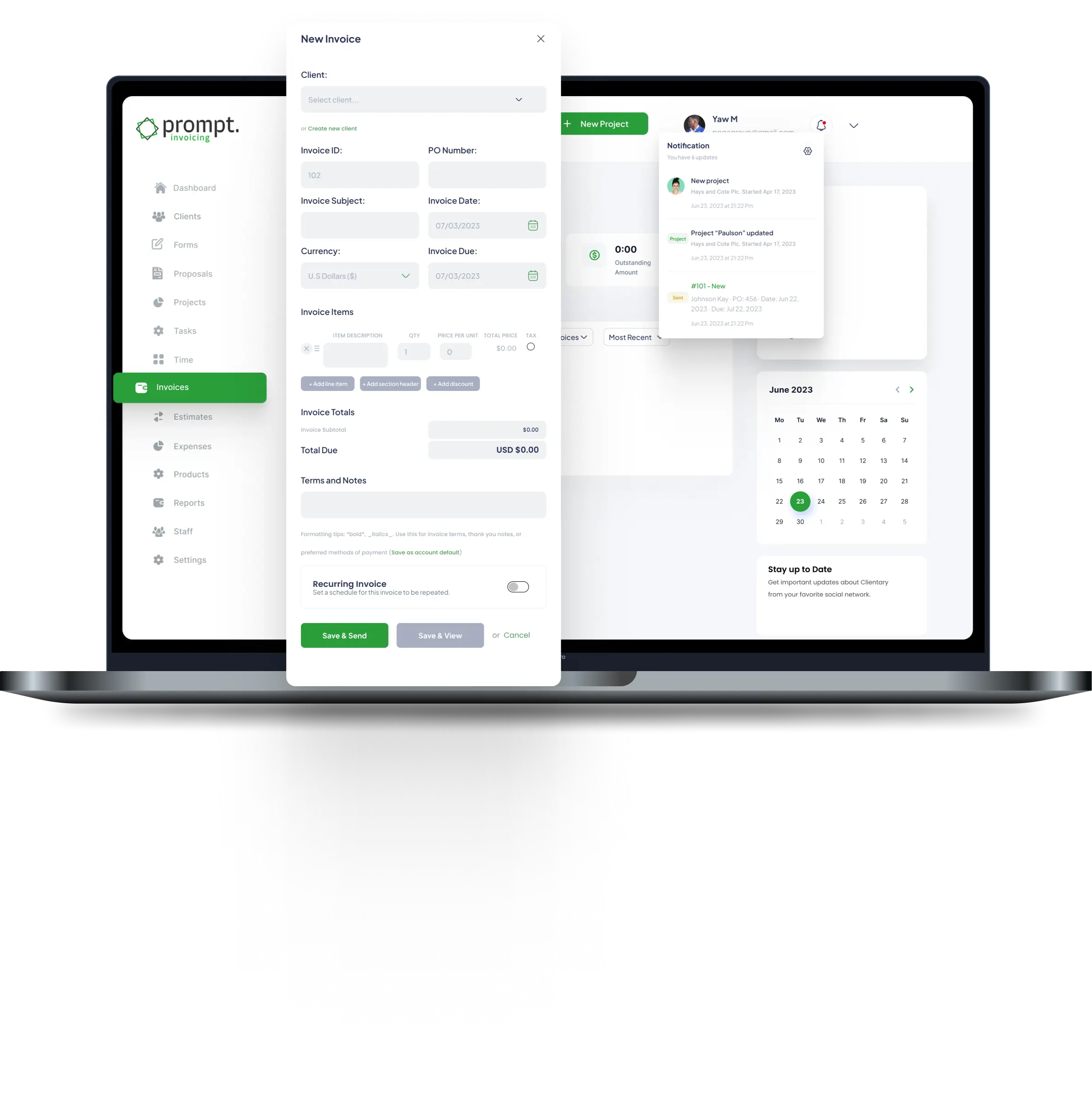
Banks, microfinance institutions, and investors in Ghana increasingly demand proper records. Your numbers tell your story and build credibility and trust which is why Prompt.integrated have taken the bold step of streamlining this process with simple straightfoward technology.
3. Better Pricing Decisions
Example: A fashion designer in Takoradi
Esi runs a small fashion brand and was always busy sewing dresses, yet she struggled to save. When she broke down her costs—fabric, thread, electricity, transport, and labor—she discovered she was underpricing her work. By adjusting her prices based on actual costs, she reduced stress and started making real profit.
Knowing your numbers ensures that your pricing covers expenses and leaves room for profit—helping you avoid the trap of “busy but broke.”
4. Tax Compliance Without Stress
Example: A restaurant in Accra
A small chop bar in Osu struggled whenever it was time to file taxes. Because daily sales were not properly recorded, the owner had to estimate figures—often overpaying or underpaying. After adopting simple daily sales tracking, VAT and income tax calculations became easier, and visits from the GRA became less stressful.
Knowing your numbers makes it easier to calculate VAT, income tax, and other statutory obligations accurately, reducing penalties and last‑minute panic.
Key Numbers Every Ghanaian Business Owner Should Track
These numbers are just as important for informal‑sector businesses as they are for registered companies.
Revenue
Example: Market woman selling tomatoes in Agbogbloshie
A tomato seller may sell many pans a day but still not know her true daily revenue because cash is constantly being spent and reused. By writing down daily sales, she can identify good market days, seasonal trends, and plan bulk purchases better.
Know how much money your business generates daily, weekly, and monthly. Track trends to identify peak periods, slow seasons, and growth opportunities.
Expenses
Example: Mobile money vendor
A MoMo vendor earns commissions but also pays for float, electricity, data, and kiosk rent. Without tracking these expenses, it’s easy to think the business is profitable when commissions are actually being eaten up by costs.
Separate fixed costs (rent, kiosk fees, electricity) from variable costs (data, transport, float top‑ups). This clarity helps you manage expenses when sales fluctuate.
Profit
Example: Hairdresser or barber
A salon owner may have steady customers every day, but after paying assistants, buying products, and covering utilities, very little may remain. Calculating profit—not just sales—helps the owner decide whether to increase prices or reduce costs.
Profit is what remains after all expenses are paid. Understanding your profit margin helps you measure sustainability and plan expansion.
Cash Flow
Example: A building materials supplier in Kasoa
Yaw supplies cement and iron rods on credit to contractors. On paper, his business looked profitable, but he often struggled to restock because customers delayed payments. Once he started tracking who owed what and when payments were due, he enforced clearer credit terms and stabilized his cash flow.
Cash flow is especially critical in Ghana, where delayed payments and credit sales are common. Always know how much cash is available and what payments are due.
Inventory
Example: Second‑hand clothing (obroni wawu) trader
Buying bales without tracking fast‑selling and slow‑moving items can lead to losses. When traders track which items sell quickly, they can choose better bales and avoid tying up cash in unsold stock.
For traders and manufacturers, inventory ties up cash. Tracking inventory protects both your cash and your customers.
Tools to Help You Know Your Numbers
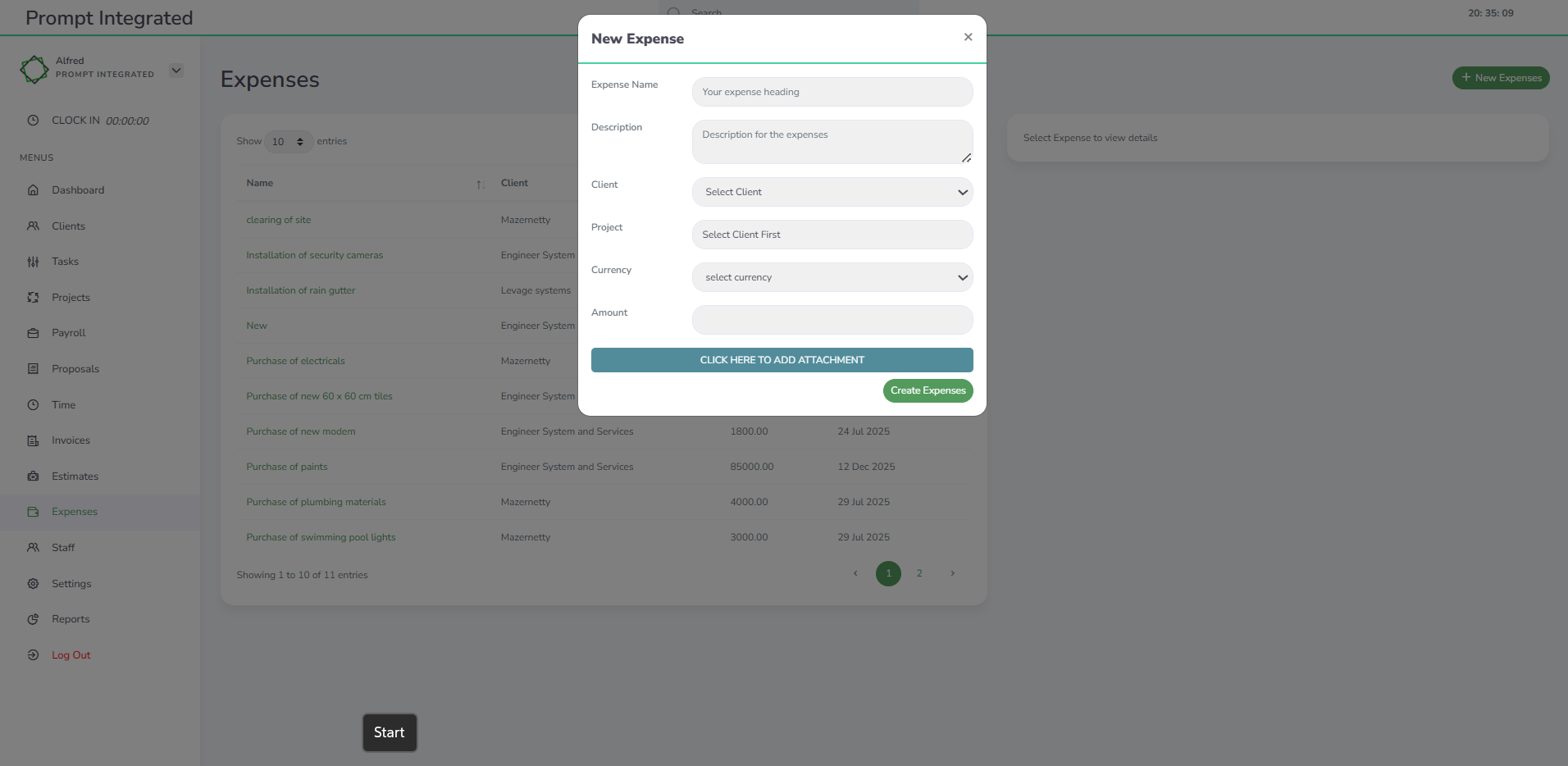
Even in the informal sector, simple record‑keeping can transform a business. This is when our expenses management system from Prompt.integrated comes in handy. Our expenses management is carefully designed to record every expense and even capture receipts of every purchase done and arrange it an organized way with summary of the total number of expenses and the amount of expenses inncured.
You don’t need to be an accountant to understand your business finances. Simple tools can make a big difference:
- A basic notebook or ledger (market women, artisans, drivers)
- Simple daily sales sheets kept in a kiosk or shop
- Excel or Google Sheets
- Mobile accounting apps
- Professional bookkeeping or accounting services
The key is consistency. Recording transactions daily or weekly builds a habit that pays off over time.
Changing the Mindset: Numbers Are Not the Enemy
Some entrepreneurs avoid numbers because they seem complicated or intimidating. Others fear discovering uncomfortable truths about their business. But numbers are not your enemy—they are your guide. They show you what is working, what is not, and where to focus your energy.
In Ghana’s competitive and dynamic market, intuition must be supported by information. The most resilient businesses are those that combine vision with data.
Conclusion
Knowing your numbers is not a luxury reserved for big corporations—it is a necessity for every Ghanaian business, regardless of size. It empowers you to make smarter decisions, manage risks, attract funding, and build a business that lasts.
As the Ghanaian business landscape continues to evolve, one thing remains constant: the businesses that grow are the ones that understand their numbers—and use them wisely.









Leave A Comment