

August 8, 2024
article by the prompt team
Ever experienced a payment deadline that goes away without any response from your customers? It can be challenging to decide on the best course of action, especially when you also want to maintain a positive relationship with the customer. Taking care of overdue invoices is important for your business, as it is affecting your company’s sustainability. It’s important that you are handling unpaid and overdue invoices, so that you can maintain customer relationships. Here are some ways.

What happens when a business has a lot of overdue invoices?
When your business has a lot of overdue invoices, your cash flow will be affected. You might need to put a hold on starting new projects and find it challenging to invest in new resources, especially since you’re not receiving the funds you are owed.
When is an invoice overdue?
An invoice is considered overdue when the payment has not been received by the specified due date. The due date is typically outlined in the payment terms of the invoice. For example, if an invoice is dated March 1st with Net 30 payment terms, payment should be received by March 31st. If the payment is not received by this date, the invoice is considered overdue on April 1st.
How long can an invoice be overdue?
The length of time an invoice can be overdue varies and is often influenced by your business’s policies, the terms agreed upon with the client, and legal regulations.
Generally, businesses can pursue overdue invoices for up to six years before the claim becomes invalid. After this six-year period, the customer or business partner is no longer legally obligated to pay the outstanding invoice.
5 ways to handle overdue invoices
Here are 5 things you can do if you are experiencing overdue invoices:
Payment reminders
The first thing you can do is to start with payment reminders. A lot of customers may not realize that their invoice is due and forget to pay. This is often the case of overdue invoices.
The payment reminder can be sent by email, reminding the customers that their payment is due. You should also state the amount that needs to be paid, the payment terms and your late payment policy. You may send multiple reminders with some time in between them to highlight the importance. It can be effective to attach a copy of the original invoice for reference.
Here is an example of reminder email:
Subject: Friendly Reminder: Invoice [Invoice Number] Due for Payment
Dear [Customer’s Name],
I hope this message finds you well.
I am writing to remind you that Invoice [Invoice Number], dated [Invoice Date], is now overdue. The total amount due is [Amount Due], and the payment was due on [Due Date].
We understand that oversights can happen, and we would appreciate your prompt attention to this matter. Below are the details of the invoice for your reference:
– Invoice Number: [Invoice Number]
– Invoice Date: [Invoice Date]
– Due Date: [Due Date]
– Amount Due: [Amount Due]
To make the payment, please use the information in the attached invoice.
If you have already made the payment, please disregard this reminder. We would appreciate you letting us know or forwarding the payment confirmation to us.
Should you have any questions or require any assistance, please do not hesitate to contact us.
Make a phone call
You may experience no response to the payment reminders you sent out. It can be good to call the customers to see if there are any problems with the payment. This also allows you to give them a solution.
Remember that it’s important to stay polite and professional in the phone call, and don’t accuse the customers of anything. By doing this, you’re making sure that you are keeping a good relationship with your customers, which makes it more likely that they will purchase from you in the future.
Take legal actions
If you have overdue invoices with a significant amount of money, you may pursue a legal remedy. Check if you have all the records to the amount owed and seek counsel help from a professional. If it is a lower amount, businesses often write the invoice off as bad debt. Taking legal action does not only increase the possibility of getting paid, but it also shows that your business is operating professionally.
Charge late fee
A late fee is an additional charge to a customer for a delayed payment. You can only charge a late fee if you’ve clearly communicated your late fee policy to the customer and they’ve agreed to it in writing. The invoice you’re sending should also state the late fee details clearly. You may charge a flat fee for late payments or a percentage of the total amount.
Extend credit
There could be various reasons for a customer’s delay in payment. You might consider offering an extended deadline or setting up a payment plan.
For example, instead of requiring an immediate $8000 payment, you could allow the customer to pay $8000 in monthly installments over ten months. However, keep in mind that this may impact your cash flow.
Alternatively, you could accept a partial payment of $6000 upfront and arrange a payment plan for the remaining $2000.
How to avoid overdue invoices
Timely payments are important for maintaining a healthy cash flow and ensuring the financial stability of your business. Overdue invoices can disrupt your operations and strain your relationships with customers. To help you minimize overdue invoices, here are some effective strategies:
Clear payment agreement
To avoid more overdue invoices, you should establish a clear payment agreement with your customers. Make sure to outline all payment terms and conditions, so that both parties understand their responsibilities.
Here are some things to include:
- Payment terms: Clearly state the payment due date. Example could be «Net 30 days from invoice date». You should also specify if there are any early payment discounts or late payment penalties.
- Payment methods: List the acceptable payment methods, like bank transfer, credit card, PayPal). Provide necessary instructions for each payment method.
- Late fees and penalties: Clearly outline any late fees or penalties for overdue payments.
- Documentation: Make sure that both parties are signing the agreement to acknowledge and accept the terms. Get a copy of the signed agreement, and give one to the customer as well.
Use an invoicing software
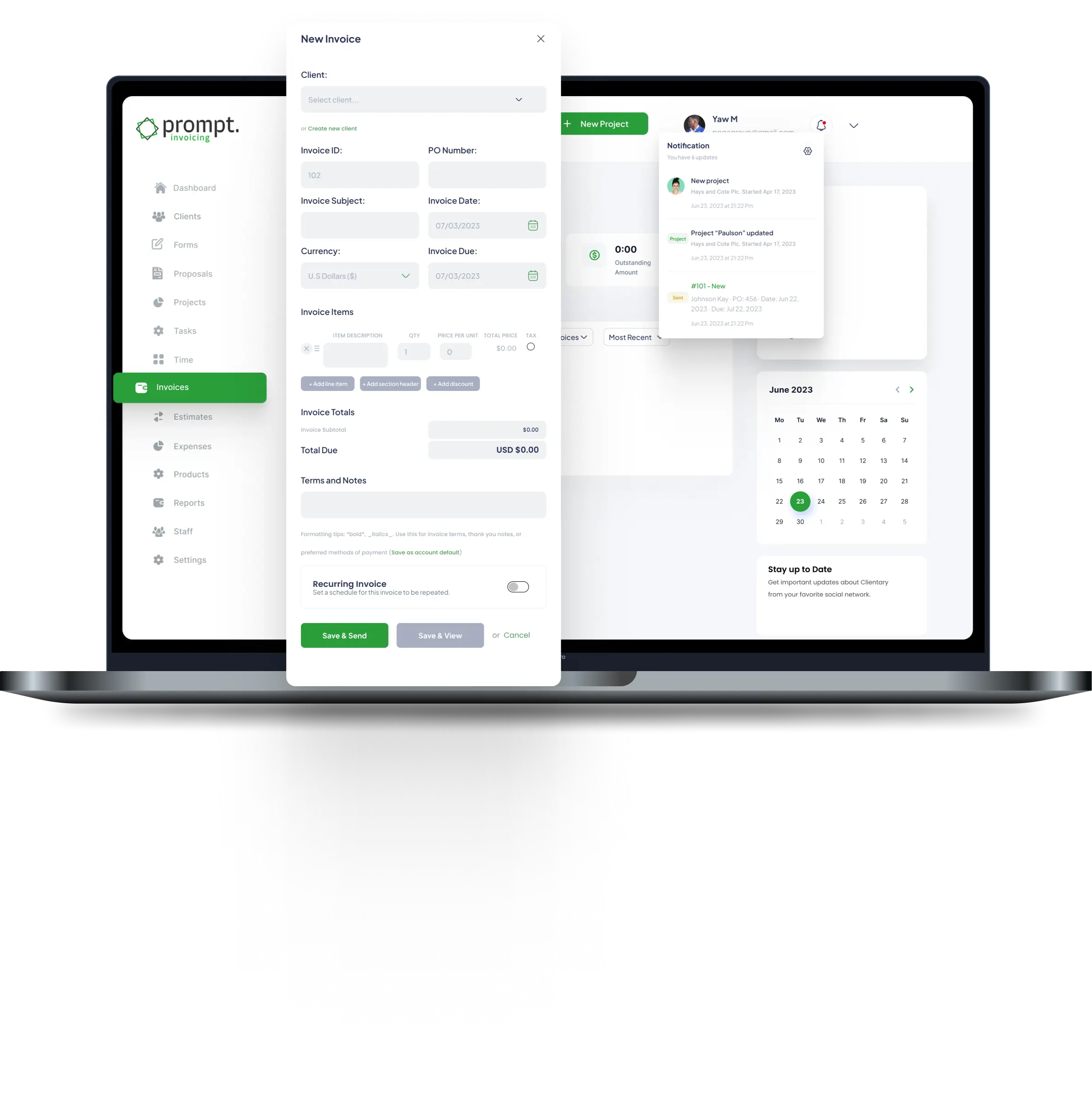
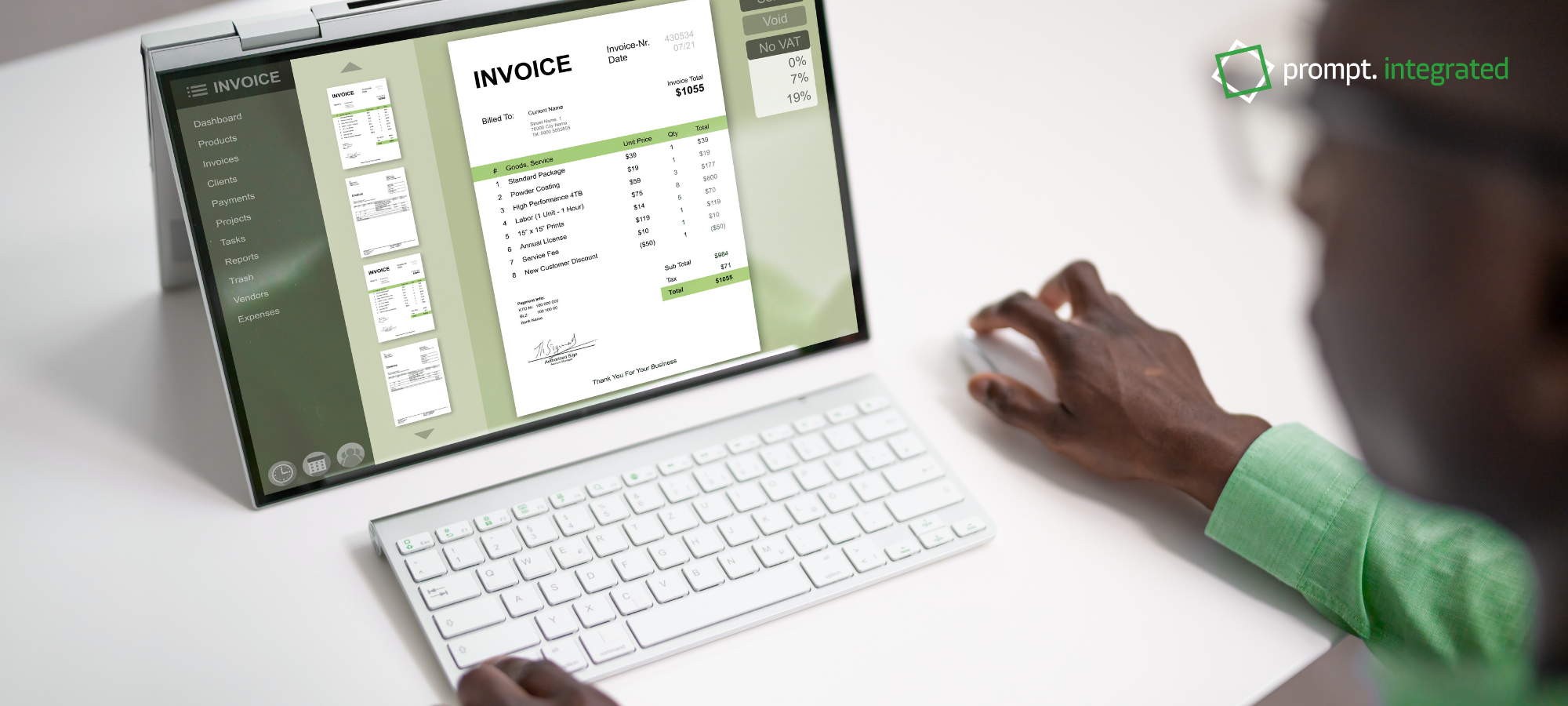
Using an invoicing software can reduce the chances of overdue invoices by streamlining the whole invoicing process. Witn an invoicing software, you can create and send invoices according to your predefined schedule, ensuring timely delivery to your customers. It does also make sure that you are including everything you should in the invoice, and professional templates. Lastly, it gives you record keeping, a system for storing and accessing all past invoices.
Customer relationship
Building and maintaining strong customer relationships is the key to getting timely payments and reducing overdue invoices. Make sure to have clear communication from the start. Your clients should understand the payment terms, due dates and method. Regularly check in with your customers to see if they are satisfied with your services and address any issues promptly.
For avoiding overdue invoices, provide high-quality services consistently build trust and loyalty. Satisfied customers are more likely to prioritize your invoices for payment. Another tip is to send thank-you notes or follow-up emails after a project is completed to show your appreciation for their business.
Advance payments
Requesting advance payments is an effective strategy to secure your cash flow and reduce the risk of overdue invoices. By collecting a portion of the payment upfront, you can ensure that you have the necessary funds to start a project and cover initial costs.
Typically, an advance payment can range from 20% to 50% of the total project cost, depending on the nature and scope of the work. Determine a percentage that covers your initial expenses and mitigates financial risk. For longer-term projects, consider setting milestones and requiring partial payments as each milestone is completed.
Offer different payment options
Providing various payment options is a strategy to timely payments and reducing the likelihood of overdue invoices. By making the payment process as convenient as possible for your customers, you increase the chances of receiving payments on time. Here are some ways to implement different payment options:
Accept major credit and debit cards: This is one of the most common and convenient payment methods. Use a secure payment gateway to process card payments efficiently and safely.
– Online Payment Platforms: Offer online payment options through platforms like PayPal, Stripe, Square, or other similar services. These platforms provide a quick and easy way for clients to make payments. Integrate these payment options directly into your invoices for seamless processing.
– Bank Transfers and Direct Deposits: Allow clients to make payments via bank transfer or direct deposit. Provide clear instructions, including your bank account details, IBAN, and SWIFT/BIC codes if necessary. Ensure that you promptly confirm receipt of payments to reassure clients.
Managing overdue invoices is crucial for sustaining the financial health of your business. By implementing clear payment agreements, utilizing invoicing software, fostering strong customer relationships, requesting advance payments, and offering diverse payment options, you can significantly reduce the chances of overdue invoices. Further, these strategies not only ensure timely payments but also help maintain a positive rapport with your customers, promoting long-term business success.







Leave A Comment