

March 10, 2026
article by the prompt team
For many entrepreneurs in Ghana, taxation can feel like a minefield. Even the most well-intentioned business owner can make costly errors — not out of dishonesty, but simply due to a lack of clarity around Ghana’s tax obligations and how they apply to different types of businesses.
The consequences of these mistakes, however, are very real. Penalties, fines, and legal complications from the Ghana Revenue Authority (GRA) can slow business growth, damage reputation, and in serious cases, result in the forced closure of a business. The good news is that most of these errors are entirely avoidable — with the right knowledge and the right tools.
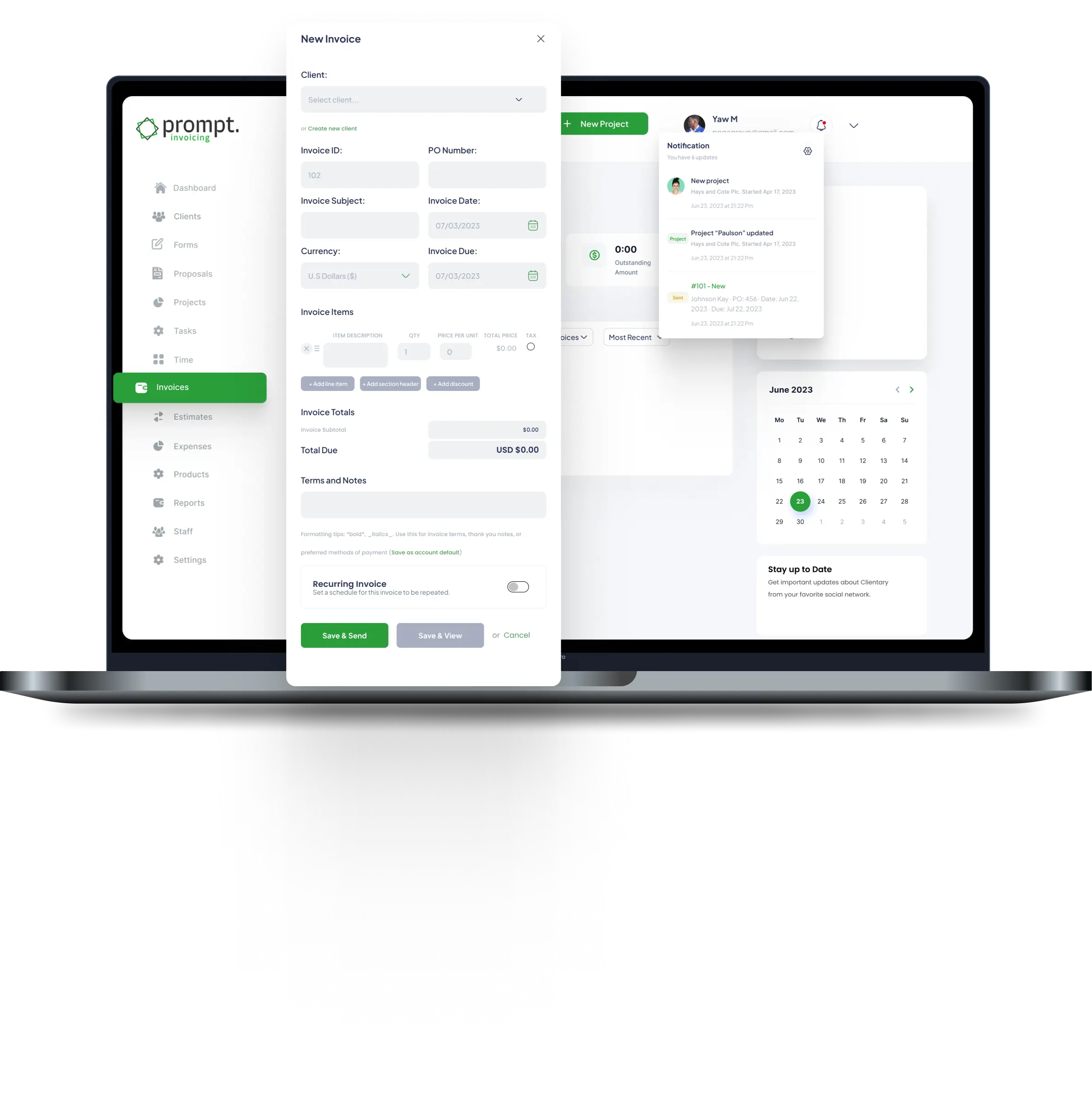
Prompt Integrated is a cloud-based business management platform built for Ghanaian businesses that helps entrepreneurs stay on top of their finances, maintain accurate records, and manage the payroll and expense data that underpins sound tax compliance. In this article, we walk through the top tax mistakes Ghanaian entrepreneurs make — and show you how to avoid them.

1. Failing to Register with the Ghana Revenue Authority (GRA)
One of the most common mistakes made by new entrepreneurs in Ghana is dismissing the need to register with the Ghana Revenue Authority (GRA) early on, particularly when starting a small-scale business. The assumption is often that registration can wait until the business grows — but this is a dangerous misconception.
Operating without GRA registration exposes your business to punitive measures and can render it incapable of trading lawfully. Registration also unlocks access to a Tax Identification Number (TIN), which is required for opening a business bank account, entering into contracts with larger organisations, and accessing government procurement opportunities through the Public Procurement Authority (PPA).
How to avoid it: Register your business with the GRA as early as possible — ideally at the same time you register with the Registrar General’s Department. The GRA’s Taxpayer Portal makes the process more accessible than ever.
2. Misclassifying Employees as Independent Contractors
A common and costly error made by Ghanaian employers is classifying full-time or regular employees as independent contractors to avoid employer tax obligations. While independent contractors are responsible for managing and paying their own taxes, employers have a legal obligation to deduct and remit taxes for employees — including PAYE (Pay As You Earn) to the GRA and SSNIT contributions to the Social Security and National Insurance Trust.
Misclassification attracts GRA scrutiny and can result in significant back-taxes, penalties, and fines — sometimes covering multiple years of underpaid obligations.
How to avoid it: Understand the clear distinction between an employee and an independent contractor under Ghana’s Labour Act (Act 651). If a worker operates under your direct supervision, works set hours, and uses your equipment, they are almost certainly an employee. Prompt Integrated’s payroll module helps you manage employee records, automate PAYE and SSNIT calculations, and maintain the documentation needed to demonstrate compliance.
3. Neglecting to File VAT Returns
Businesses in Ghana that supply taxable goods or services and whose annual turnover exceeds the GRA’s VAT registration threshold are legally required to register for VAT, charge it on qualifying transactions, and file regular VAT returns. Many entrepreneurs either do not know the threshold applies to them or ignore it entirely — both of which invite serious legal consequences.
VAT non-compliance is one of the most common triggers for GRA audits and enforcement action against Ghanaian SMEs.
How to avoid it: Monitor your revenue closely and register for VAT as soon as your turnover approaches or exceeds the threshold. Prompt Integrated’s invoicing tools allow you to track revenue in real time and generate VAT-compliant invoices that include the correct tax breakdowns — keeping you audit-ready at all times. Once registered, ensure VAT returns are filed on time through the GRA Tax Portal.
4. Filing Inaccurate or Incomplete Tax Returns
Accurate tax returns require accurate financial records. Many small businesses in Ghana operate without a reliable bookkeeping system, meaning that when tax season arrives, they lack the documentation needed to correctly report income, expenses, and deductions. The result is inaccurate returns — which can trigger penalties, interest charges, or a full tax audit.
This is one area where poor record-keeping directly translates into financial risk. Without clear records of all income received and expenses incurred throughout the year, it is virtually impossible to file correct tax returns.
How to avoid it: Maintain detailed, up-to-date financial records throughout the year — not just at year end. Prompt Integrated’s expense management and invoicing features centralise all your income and expenditure data in one cloud-based platform, giving you an accurate, real-time financial picture that makes tax preparation straightforward. If you work with an accountant or bookkeeper, Prompt Integrated’s organised records make their job — and your tax filing — significantly easier.
5. Late Payment of Taxes
Cash flow pressures are a reality for many Ghanaian entrepreneurs, and it can be tempting to delay tax payments when money is tight. However, late payment of taxes to the GRA accrues penalties and interest charges that compound over time — making the eventual obligation significantly larger than the original tax bill.
The GRA has become increasingly active in pursuing non-compliant taxpayers, and late payment penalties can quickly escalate from a manageable inconvenience into a serious financial burden.
How to avoid it: Build tax payments into your monthly budget as a non-negotiable expense — treating them with the same priority as rent or payroll. Prompt Integrated’s expense tracking tools help you plan and allocate funds for upcoming tax obligations, while the payroll module ensures PAYE and SSNIT are calculated correctly every month so there are no surprise shortfalls when payment deadlines arrive. The GRA requires PAYE to be remitted by the 15th of the following month — set this as a firm calendar commitment.
Final Thoughts
Tax compliance in Ghana is not just about avoiding penalties — it is about building a business that operates on a solid, sustainable foundation. Entrepreneurs who stay compliant are better positioned to access financing, win government contracts, attract investors, and scale with confidence.
While Ghana’s tax regulations can feel complex, the core requirements are straightforward once you understand them: register early, classify workers correctly, file VAT returns when required, keep accurate records, and pay on time.
Prompt Integrated is built to support Ghanaian businesses at every step of this journey. By centralising invoices, expenses, payroll, projects, and payments in one cloud-based platform, it gives entrepreneurs the financial visibility and record-keeping discipline that sound tax compliance demands — without the administrative burden of managing it all manually.
The Ghana Revenue Authority continues to modernise its systems and increase enforcement. The businesses that invest in getting compliance right today will be the ones that grow without interruption tomorrow.
Take control of your business finances and stay tax-compliant with ease. Get started with Prompt Integrated today.










Leave A Comment