

Ghana’s 2026 Budget and Fiscal Policy: What It Means for fintechs and SMEs
Ghana’s 2026 Budget and Fiscal Policy: What It Means for fintechs and SMEs
March 02, 2026
article by the prompt team
Ghana’s 2026 National Budget introduces major policy reforms designed to stabilize the economy, accelerate digital transformation, and reduce the tax burden on businesses. For SMEs and fintech companies, these measures create new opportunities for growth, efficiency, and regulatory compliance. Here’s a closer look at the key initiatives and what they mean for businesses.

1. Removal of the COVID-19 Health Levy
One of the most significant decisions in the 2026 Budget is the removal of the COVID-19 Health Levy. The 1% charge added in 2021 to VAT-able goods and services has now been eliminated. This directly lowers tax costs for SMEs and improves cash flow, while fintech firms benefit from reduced indirect transaction and operational expenses.
With the levy removed, the effective VAT rate falls to about 20%. This step supports the government’s broader plan to simplify the tax structure, reduce overlapping levies, and strengthen compliance through digital VAT tools such as Fiscal Electronic Devices (FEDs) and enhanced reporting systems. For businesses using digital platforms to manage payments, invoicing, and financial operations, the change supports reinvestment and expansion.
2. Strong Push for Digital Tax and Compliance Systems
The government is intensifying efforts to modernize tax administration through digitalisation. Key initiatives include:
-
Digital VAT monitoring systems
-
Fiscal Electronic Devices (FEDs) for real-time transaction tracking
-
Tools for monitoring cross-border digital transactions
-
AI-driven analysis of customs revenue data
These reforms signal a shift toward a technology-driven regulatory environment. For fintech providers, this opens doors for integrations, partnerships, and innovation in digital financial services.
3. VAT Reforms Affecting SMEs
Additional VAT reforms aim to reduce complexity and improve compliance:
-
Effective VAT rate reduced to 20%
-
VAT registration threshold increased to GHS 750,000
-
Mandatory FED adoption and stronger digital tracking
-
A VAT receipt reward scheme to encourage proper invoicing
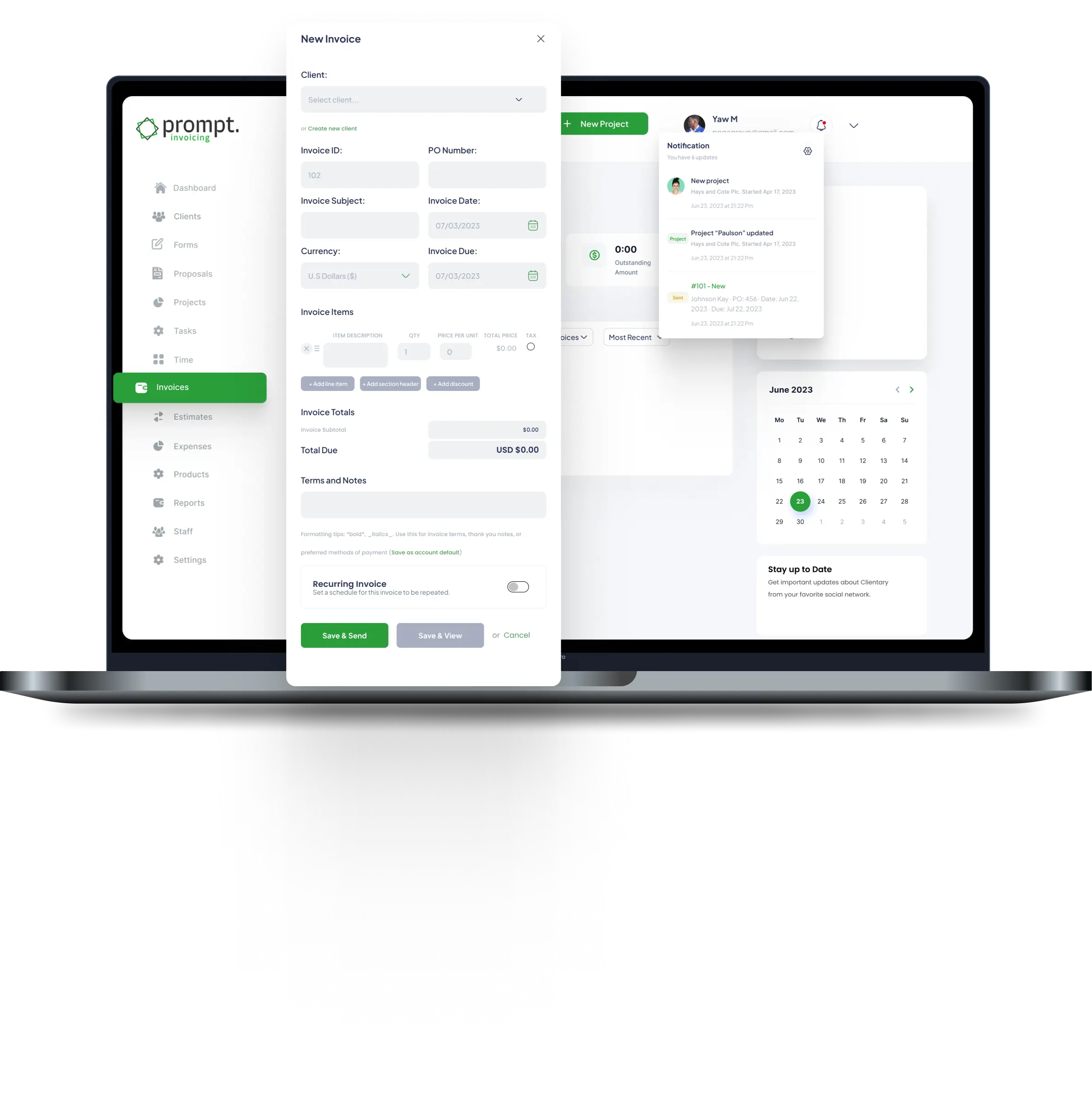
Together, these changes push SMEs toward digital bookkeeping and make fintech platforms such as Prompt Integrated’s invoicing and receipt solutions increasingly essential for compliance and reporting.
4. Improved Credit Environment for Businesses
The budget projects stronger macroeconomic stability, targeting:
-
A primary surplus of 1.5% of GDP
-
Lower inflation levels
-
Increased lending to the private sector
As fiscal pressure eases, SMEs are expected to benefit from improved access to financing. A more stable economic climate and targeted initiatives to expand affordable credit should help businesses secure funding for growth and operations.
5. Support for SME Competitiveness and Exports
The government plans to support more than 200 MSMEs under AfCFTA and expand programs that strengthen local industries. Measures such as extended VAT zero-rating for local textiles and raw-material support for manufacturers will help reduce production costs.
Exporters will also benefit from an extended 120-day period to repatriate earnings, improving liquidity and cash flow—an important advantage for SMEs involved in cross-border trade.
6. Continued Growth in ICT and Fintech Adoption
Ghana’s ICT sector grew by 17.2% in 2025, driven largely by fintech expansion and investment in digital infrastructure. This momentum is encouraging businesses to adopt digital tools for daily operations. As adoption rises, platforms like Prompt Integrated’s payment, invoicing, and financial management solutions become increasingly valuable for streamlining business processes.
Final thoughts
Ghana’s 2026 Budget sets the stage for a more enabling business environment for SMEs and fintech companies by combining tax relief, regulatory modernization, and digital innovation. Measures such as the removal of the COVID-19 levy, streamlined VAT policies, expanded access to credit, and the rollout of advanced digital compliance systems reduce operational strain and create room for businesses to grow strategically. Together, these reforms not only lower costs but also strengthen transparency, improve financial reporting, and encourage broader participation in the formal economy.
As these changes take effect, businesses that adopt smart financial technology will be best positioned to thrive. Prompt Integrated supports this transition with intuitive, scalable tools that simplify invoicing, payments, and financial management. By helping businesses stay organized, compliant, and financially informed, the platform empowers them to adapt quickly, seize new opportunities, and grow confidently in Ghana’s evolving economic landscape.
Are you interested in our services?
Built For Business Owners Like You
Stop chasing clients for payments and get paid faster with our invoicing and payroll software.










Leave A Comment