

February 28, 2026
article by the prompt team
Connectivity is reshaping how African small and medium-sized enterprises (SMEs) operate, compete, and grow. Today, customers expect fast service, digital convenience, and seamless experiences—whether they’re ordering products online, making mobile payments, or tracking deliveries.
But how do these systems work together behind the scenes?
-
How can a small e-commerce store accept mobile money payments instantly?
-
How does a logistics startup track parcels in real time?
-
How can a local retailer connect their website to inventory and sales tools?
The answer lies in APIs.

What is an API?
API stands for Application Programming Interface. In simple terms, an API is a bridge that lets two systems communicate with each other. It allows one application to request data or services from another securely and efficiently.
For example, when a customer pays your business using a mobile payment app, your system communicates with the payment provider’s API to confirm the transaction instantly.
Why APIs matter for African SMEs
APIs are powerful tools for small businesses because they remove barriers that once required large budgets and technical teams.
For business owners
-
Save time by connecting ready-made tools instead of building software from scratch
-
Scale faster using existing services like payments, messaging, or analytics
-
Automate operations such as invoicing, stock tracking, or customer notifications
For customers
-
Faster checkouts
-
Real-time updates
-
Personalized experiences
In fast-growing digital markets across Africa, APIs help SMEs compete with larger companies by giving them access to enterprise-level capabilities at low cost.
Types of APIs SMEs should know
Web APIs
These enable apps to communicate over the internet. For instance, a transport startup can use a mapping API to show delivery routes to customers.
Open APIs
Open APIs are publicly available for developers and businesses. Many fintech and telecom providers offer them so SMEs can integrate payments, SMS alerts, or identity verification into their platforms.
Private APIs
Private APIs are used within a business. A growing retailer might connect its online store to its stock system so inventory updates automatically after every sale.
Partner APIs
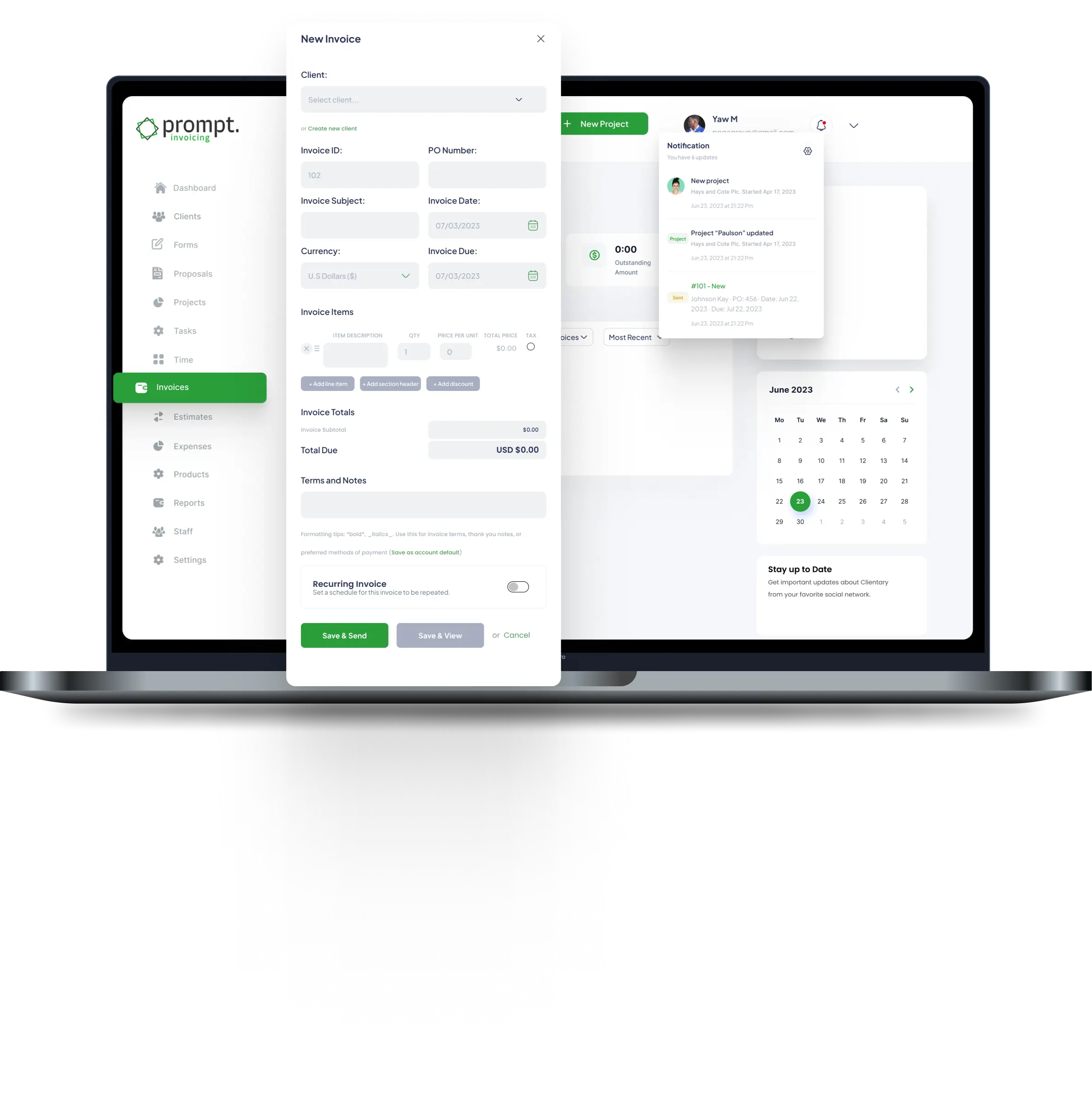
Partner APIs are used to connect trusted businesses so their systems can work together. For example, Prompt Integrated has integrated its platform with PaySwitch Ghana, allowing customers to pay their invoices through a secure “Pay Now” button included in email notifications.
The future of APIs for African businesses
In conclusion, as artificial intelligence and automation technologies continue to advance, APIs are becoming even more valuable for SMEs. They enable businesses to integrate powerful capabilities—from chatbots and voice assistants to predictive analytics and payment fraud detection—without heavy technical investment. As digital infrastructure grows across Africa, APIs will be key to helping SMEs innovate, scale beyond local markets, and compete globally. Simply put, APIs are no longer just technical connectors—they’re strategic growth drivers, and understanding them is fast becoming a competitive advantage for forward-thinking businesses.




Leave A Comment