Manual Invoicing Is a Systemic Outcome, Not a Failure of Adoption
In numerous African markets, handwritten invoices, spreadsheets, and verbal billing continue to be the norm. For business owners, these methods are well-known, cost-effective, readily available, and not reliant on connectivity. Studies on technology adoption among SMEs reveal that traditional systems endure mainly due to their perceived reliability and the lack of need for training or infrastructure investment. Businesses often postpone digital adoption when current processes are already in place, even if they are not the most efficient. Consequently, manual invoicing persists not because it is the best option, but because it is the most practical choice.
Digital Literacy and Tool Accessibility Remain Uneven
The adoption of digital systems throughout African economies varies greatly based on region, educational attainment, and the size of businesses. Research on small enterprises in rural and semi-urban regions indicates that adoption is largely influenced by factors such as exposure to technology, comprehension of its benefits, and the availability of localized tools.
Many platforms are tailored for global markets, often presuming workflows, terminology, and financial frameworks that do not align with the operational realities of African businesses. When software does not accurately represent local circumstances, businesses tend to revert to methods they find reliable.
Infrastructure Shapes Operational Decisions
Digital transformation is progressing throughout Africa, but the pace is inconsistent. Certain countries exhibit robust connectivity and digital preparedness, while others encounter obstacles like unreliable internet access, erratic power supply, and the high cost of devices.
For business owners overseeing daily operations, relying on systems that require stable connectivity can seem precarious. On the other hand, manual invoicing remains effective regardless of the prevailing infrastructure conditions.
In this scenario, the need for operational certainty frequently takes precedence over technological efficiency.
Informal Economies Influence Financial Practices
A large percentage of commerce in Africa functions within informal or semi-formal economic frameworks. In these settings, transactions are often conducted in cash, customers might not ask for formal invoices, and tax reporting obligations tend to be minimal.
Consequently, manual record-keeping fits seamlessly with the actual business landscape. Efforts to enforce digital invoicing without sufficient support have occasionally faced pushback, highlighting that adoption cannot be imposed without the necessary infrastructure, education, and trust.
Cash-Flow Pressure Prioritizes Simplicity
Many small businesses function with tight margins and minimal financial reserves. For these businesses, any new system must provide instant value and cause little disruption. Manual invoicing remains popular because it is cost-free to implement, easy to comprehend, and seamlessly fits into daily routines.
Yet, this simplicity has its drawbacks. Manual billing leads to errors, prolongs payment cycles, and reduces transparency regarding financial performance—all of which hinder growth opportunities.
Africa Is Not Behind Digitally — It Is Differently Digitized
A crucial distinction that is frequently overlooked is that African markets are not technologically inferior; they are, in fact, technologically unique. In many areas, the adoption of mobile technology is remarkably high, and the use of digital payments is prevalent. Businesses often rely on mobile money platforms, messaging applications, and instant transfers for their transactions.
While payments may be digital, financial record-keeping often remains manual. This hybrid approach illustrates a mobile-first ecosystem where traditional desktop software never became the standard.
Trust Is a Critical Adoption Variable
Technology adoption is not determined solely by availability. It is strongly influenced by confidence.
Business owners frequently express concerns about data security, platform reliability, hidden costs and long-term accessibility.
In markets where trust must be earned through experience, familiar manual systems often feel safer than unfamiliar digital ones. Until platforms demonstrate reliability and transparency, adoption remains cautious.
Why the Shift Toward Digital Invoicing Is Accelerating
Despite these barriers, structural trends indicate that manual invoicing will decline steadily over the coming decade.
Key drivers include:
1. Policy modernization
Governments are introducing digital tax reporting frameworks that encourage electronic documentation.
2. Financial ecosystem growth
The expansion of fintech services is increasing access to automated tools for payments, accounting, and reporting.
3. Competitive pressure
Businesses that digitize gain measurable advantages in efficiency, accuracy, and financial visibility.
As these forces converge, the transition from manual to digital systems becomes not just likely — but inevitable.
The Strategic Opportunity for Business Platforms
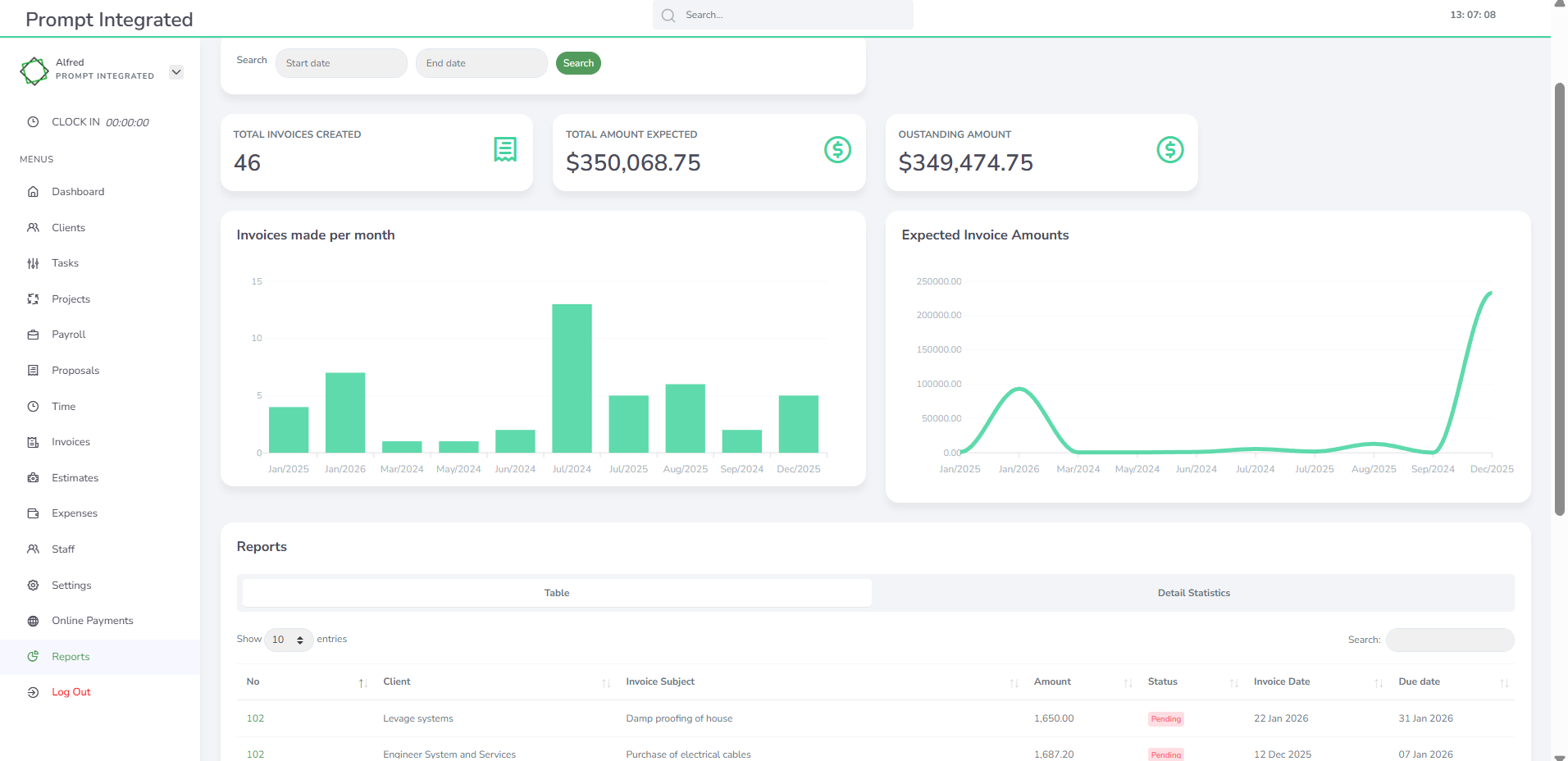
The ongoing reliance on manual invoicing underscores a significant untapped opportunity in emerging markets. It indicates a strong demand for tools that are easy to adopt, locally relevant, mobile-first, affordable, and dependable even without internet connectivity.
The platforms that will thrive are not those that simply mimic foreign software models. Instead, they will be designed specifically to align with the actual operational methods of businesses within African economies.
Final thoughts
Manual invoicing remains widespread across African businesses not because owners resist innovation, but because existing systems have historically aligned more closely with their operational realities than available digital alternatives.
As infrastructure strengthens, education expands, and localized platforms emerge, adoption will accelerate. The transition is already underway.
The future of business operations in Africa belongs to tools that understand the environment they serve — and are designed for it from the ground up.












Leave A Comment