

Januar 16, 2026
article by the prompt team
The Ghana Revenue Authority (GRA) is the government institution responsible for collecting and administering taxes in Ghana. The The Ghana Revenue Authority (GRA) is the public institution mandated to collect and administer taxes in Ghana. The revenue it generates is critical to financing essential public services, including roads, healthcare, education, and the country’s growing digital infrastructure. As Ghana’s economy becomes increasingly technology-driven, startups and small businesses are playing a central role in job creation, innovation, and economic growth.
Despite their importance, many of these emerging businesses—whether a fintech operating in Accra, a cloud-based platform like Prompt.integrated, an Instagram-based e-commerce merchant, or a logistics startup moving goods between Kumasi and Tema—continue to face significant challenges with tax compliance. Manual filing processes, fragmented systems, unclear requirements, and limited access to real-time tax data often slow operations and discourage consistent compliance.
This is why the GRA needs to develop a Tax Application Programming Interface (API) that startups and tech-enabled platforms like Prompt.integrated can securely connect to. Such an API would modernize tax administration, reduce friction for businesses, and create a more efficient, transparent, and compliant tax ecosystem for Ghana’s digital economy.

Why the GRA Should Build a Tax API
An Application Programming Interface (API) is a secure way for different software systems to communicate with each other. In practical terms, a GRA tax API would allow business platforms, accounting tools, and fintech applications to exchange tax-related data directly with the GRA’s systems.
For example, a Ghanaian e-commerce startup selling products via WhatsApp, Shopify, or a local marketplace could automatically calculate VAT and digital service taxes through its sales system. At the end of the month, the platform could submit the required tax data directly to the GRA via an API—eliminating manual forms and reducing errors.
Similarly, a fintech company processing mobile money or card payments could integrate tax reporting into its backend systems, ensuring accurate and timely compliance without disrupting daily operations.
Key Benefits of a GRA Tax API in the Ghanaian Context
Simplified Tax Compliance for Local Businesses
Many Ghanaian startups rely on tools such as Sage, Odoo, QuickBooks, and locally built accounting software to manage their finances. A GRA tax API could integrate directly with these systems to automatically extract sales, payroll, and VAT data, and pre-fill tax returns—significantly reducing manual work and compliance errors.
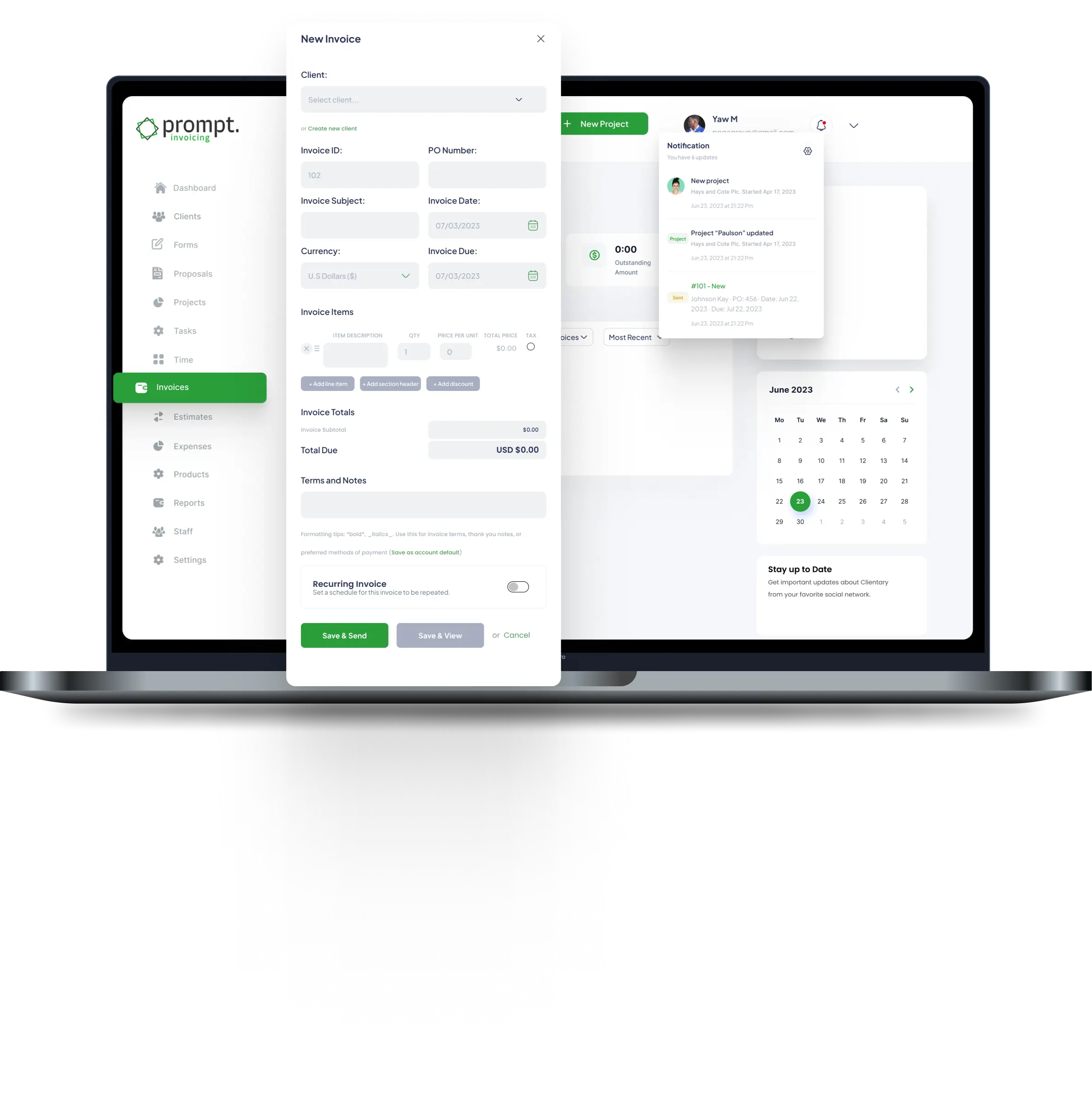
Prompt. integrated, as a cloud-based business management platform, is already pushing for reforms that enable small businesses to operate more efficiently by eliminating the bottlenecks associated with manual workflows. Our platform, for example, automatically calculates income tax (PAYE) and pension contributions for employees. However, despite these capabilities, there is currently no direct way to transmit these deductions to the GRA or pension authorities through a seamless, automated loop—the kind of end-to-end integration that API technology enables.
As a result, we are forced to adopt partial solutions. Through our fintech partners, we are able to pay employees directly at source, removing the need for businesses to visit banks or handle cash payments. While this is an important step forward, it only solves part of the problem. Without official GRA and pension APIs, the process stops at payment.
There is still no automated pathway from staff payroll, to statutory deductions, to tax and pension remittance, and finally to filing and reporting at the end of the tax year. Businesses must still rely on manual submissions, separate portals, and physical follow-ups—reintroducing inefficiencies that digital platforms like Prompt. integrated are designed to eliminate.
A GRA tax API would close this gap. It would allow platforms like Prompt to fully automate the compliance lifecycle—from salary payments and statutory deductions to real-time remittance and annual tax filings. This would not only reduce errors and administrative overhead for businesses but also improve compliance, transparency, and data accuracy for the GRA.
By enabling such integrations, the GRA would empower local innovators, strengthen Ghana’s digital economy, and take a decisive step toward a modern, efficient, and business-friendly tax system.
Enhanced Transparency and Trust
A tax API could give businesses real-time visibility into their tax status—showing outstanding payments, filing deadlines, and confirmation of submitted returns. A ride-hailing startup or delivery company operating in Accra would be able to instantly verify that its PAYE and VAT obligations are up to date.
This level of transparency builds trust between businesses and the GRA, reducing fear and uncertainty around taxation and encouraging voluntary compliance.
Reduced Administrative Burden for the GRA and Businesses
Today, many GRA processes still rely on paperwork, emails, and in-person interactions. An API-driven system would automate routine tasks such as filing confirmations, payment reconciliation, and compliance checks.
This would allow GRA staff to focus on higher-value work like audits and enforcement, while startups—especially small teams with limited resources—spend less time on administration and more time serving customers and creating jobs.
Better Data for Smarter Tax Policies
Through API integrations, the GRA could gain anonymized, real-time insights into business activity across sectors such as fintech, agritech, logistics, and digital commerce. For example, the GRA could better understand seasonal sales patterns for agribusinesses in the Northern Region or the growth of online retail in Greater Accra.
These insights would enable evidence-based policymaking, helping the government design tax incentives, thresholds, or reliefs that genuinely support Ghanaian startups and SMEs.
Enabling Innovation and Fintech Collaboration
A GRA tax API could become a foundational layer for innovation in Ghana’s financial ecosystem. Fintechs could build tools that help small traders calculate taxes automatically, notify businesses of upcoming deadlines, or even facilitate instant tax payments via mobile money.
Imagine a market trader in Makola using a mobile app that tracks daily sales and automatically sets aside VAT and income tax—removing the stress and guesswork from tax compliance. This kind of innovation is only possible with open, secure APIs. Prompt. integrated is designed to automatically calculate taxes, benefits and pensions but there’s now way to transmit these directly through an open secure API using the ghana card as a backbone to facilitate this process.
Conclusion
Building a tax API will not be without challenges, particularly around data security, privacy, and system integration. However, with proper safeguards and stakeholder collaboration, the benefits are substantial.
By adopting an API-first approach, the Ghana Revenue Authority can modernize tax administration, improve compliance, and actively support Ghana’s growing digital economy. In doing so, the GRA would not only collect taxes more efficiently but also help empower the startups and small businesses that represent the future of Ghana’s economic growth.










Leave A Comment